

Catch routine problems early.
Planned updates, backups, monitoring and compatibility checks reduce avoidable disruption.
Ongoing updates, backups, monitoring, fixes and practical improvements for WordPress, Shopify and custom websites.
Software changes, content dates and new business priorities create new requirements. Small problems are easier to manage when they are noticed early.
A support plan gives you a known route for updates, faults, content changes and future improvements instead of finding a new developer whenever something needs attention.
Planned updates, backups, monitoring and compatibility checks reduce avoidable disruption.
A direct support route means technical questions, content changes and faults reach someone who understands the website.
Performance, analytics, SEO and customer feedback can guide the next practical change.
The support scope depends on the platform, how important the website is to daily operations and how often it changes. The areas below can be combined into a monthly plan.
Compare support levelsPlanned updates for the website platform, theme, plugins, apps or dependencies, with suitable checks before and after changes.
Scheduled backup protection and periodic verification so the website has a practical recovery route if something goes wrong.
Monitoring and technical hygiene appropriate to the platform, including suspicious activity, access controls and known software risks.
Checks that help identify availability problems and failures in important journeys such as forms, checkout or other critical functionality.
Ongoing review of speed, responsive behaviour, technical SEO and changes that may affect the visitor experience.
Planned support for updates that keep the website useful, accurate and aligned with current campaigns or business priorities.
Reserved development capacity can support new components, integrations, automations and gradual improvements beyond routine maintenance.
The support approach changes according to where updates, hosting, integrations and operational risk are controlled.
WordPress requires active maintenance across the core platform, theme, plugins, hosting environment, forms and security controls.
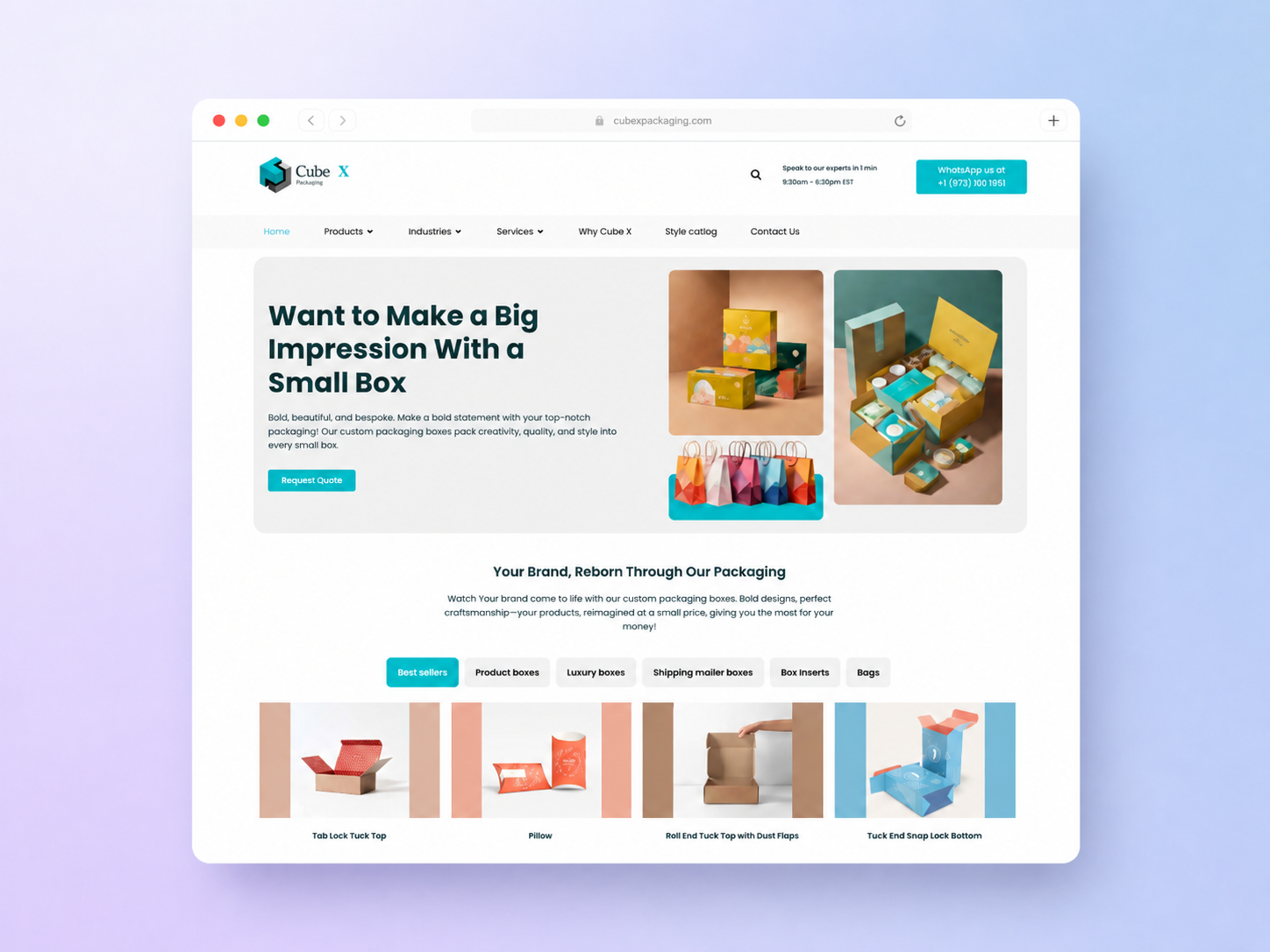
Shopify manages much of the infrastructure, while the theme, apps, merchandising, tracking and buying journey still need ongoing attention.

Custom systems need support shaped around their codebase, deployment process, server environment, integrations and business-critical workflows.
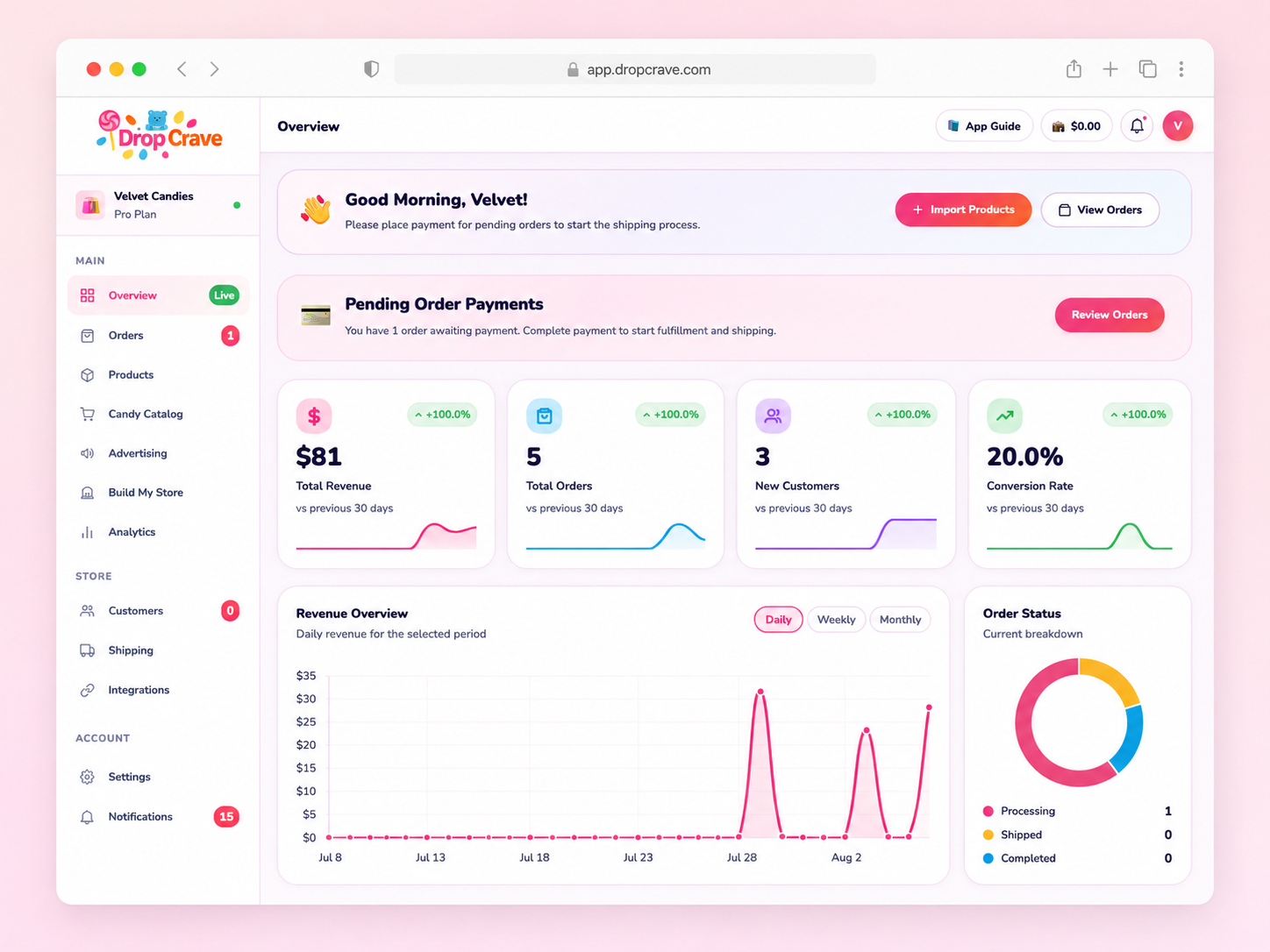
Existing websites are reviewed before onboarding so the support scope reflects their real condition—not assumptions.
Platform, hosting, access, updates, integrations, security and known issues.
Critical updates, backup gaps, access problems or faults may need attention first.
Responsibilities, exclusions, request process and response targets are documented.
Scheduled maintenance, monitoring and support requests move through a clear process.
Performance, analytics, business priorities and customer behaviour guide improvements.
A support plan is not an unlimited redesign or open-ended development agreement. Clear boundaries protect response quality and make ongoing work easier to prioritise.
Practical answers about existing websites, emergencies, hosting and what ongoing support includes.
View all FAQsPotentially. The website first needs a technical review so its condition, code quality, hosting, licences, integrations and known risks can be understood before support responsibility is accepted.
Hosting can be reviewed and managed as part of the wider support arrangement, but hosting fees and exact responsibility depend on the platform and selected provider.
Urgent investigation may be possible depending on availability, access and the nature of the issue. Ongoing clients receive support according to the response targets defined in their agreement.
No. Each plan defines the included activities and any monthly improvement capacity. Larger requests are estimated separately or planned into the next suitable phase.
Yes. Growth-focused support can include technical SEO, analytics review, landing-page improvements and content updates. Full ongoing SEO campaigns are scoped separately where needed.
Response targets depend on the selected support level and severity of the issue. These targets, communication routes and priority definitions are documented before onboarding.
Need a dependable website partner?
Share the website, platform and current concerns. We will review the situation and recommend a sensible support route.